By the Repeat Editorial Team Medically informed, evidence-based
| TL;DR THE 60-SECOND VERSION |
| • Aging is not one clock. Chronological age simply counts the years since you were born. Biological age estimates how worn your cells actually are, and the two can differ by a decade or more. |
| • The single strongest lifestyle predictor of a long healthspan is cardiorespiratory fitness (VO2 max), followed closely by muscular strength. In large cohort studies, both outperform quitting smoking or normalizing blood pressure as predictors of mortality. |
| • Several practices sold today as new discoveries, extended fasting, deliberate heat and cold exposure, and eating in moderation, were arrived at independently by cultures with no contact with one another, and a number of them now hold up under controlled study. |
| • Not everything marketed under the word longevity carries equal evidence. Finnish sauna use has two decades of hard mortality data behind it; many NAD+ boosters and exotic supplement stacks are still supported mainly by mouse studies and confident marketing copy. |
| • Recovery is not passive. Sleep and rest periods activate autophagy, the cell’s built-in cleanup and repair system, and chronically short sleep appears to interrupt that process. |
| • Nutrition built around fibre, plant protein, and polyphenols supports the same biological pathways researchers link to slower aging, which is also the reasoning behind Repeat’s Green on Repeat menu. |
| • None of this requires a lab or a subscription. The habits with the deepest evidence base remain the least glamorous ones: move daily, eat mostly plants, sleep on a schedule, stay closely connected to other people, and treat rest as part of the plan rather than an afterthought. |
For most of human history, longevity was largely a matter of luck: clean water, no plague, a safe birth. Today, in wealthier countries, the leading causes of death are driven mostly by biology we can influence directly, including how efficiently our cells repair themselves, how well our hearts move oxygen, how strong our muscles remain, and how consistently we sleep. That shift has turned longevity from a philosophical question into a measurable, trainable set of biological systems.
The modern longevity field is not about chasing immortality. It is about extending healthspan, the number of years spent free of major disease and functional decline, and increasingly, science has the tools to measure whether an intervention is actually working rather than relying on guesswork. This article walks through what current research says about slowing aging, how biological age differs from the number on an ID card, which ancient practices turn out to be genuinely well supported, which modern trends are mostly marketing dressed up as science, and why recovery is a biological requirement rather than an optional extra.
1. Biological Age vs. Chronological Age: Two Very Different Clocks
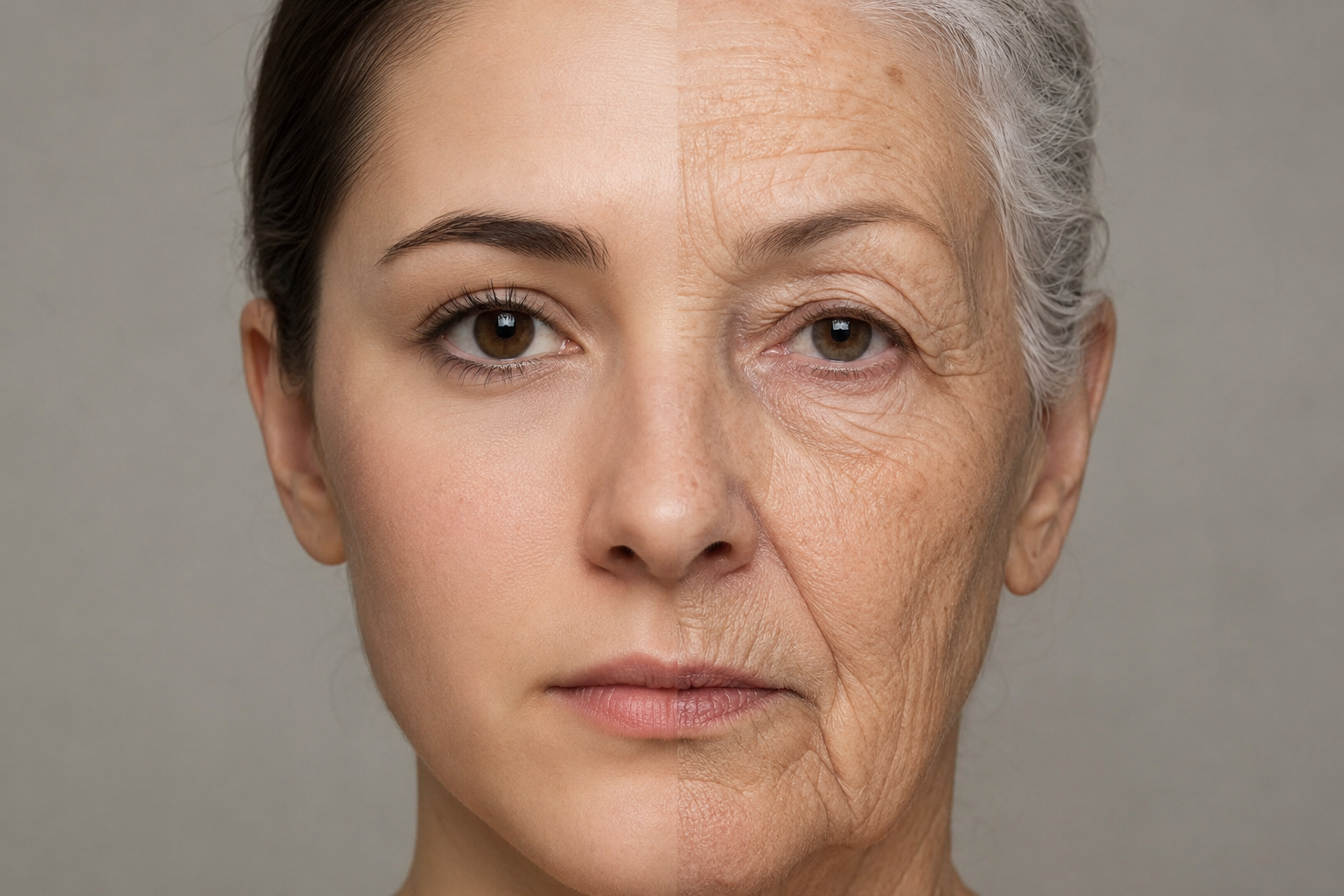
Chronological age is simple arithmetic: the years since you were born. Biological age is an estimate of how old your cells, tissues, and organs actually behave, based on molecular markers rather than a birth certificate. Two 45-year-olds can have biological ages a decade apart, and that gap is one of the better predictors researchers have found for future disease risk and life expectancy.
How biological age is actually measured
The dominant tools are epigenetic clocks, which analyze patterns of DNA methylation, the chemical tags that turn genes up or down without altering the underlying DNA sequence. As cells age, these tags shift in predictable ways. Early models such as the Horvath clock simply predicted chronological age from methylation data; newer generations such as PhenoAge, GrimAge, and DunedinPACE are trained instead to predict health outcomes and mortality risk, which is why researchers consider them more clinically meaningful.
A comprehensive review in eBioMedicine found that smoking, higher BMI, elevated blood glucose, and poor blood pressure control were consistently associated with faster epigenetic aging as measured by DunedinPACE, while regular physical activity and a healthier diet were linked to a slower pace of aging. The same review noted the effects were somewhat sex-specific: nicotine avoidance and glucose control mattered more for men, while activity, glucose regulation and healthy body weight were the stronger predictors for women.
It is worth being honest about the limits here too. A 2025 systematic review in Ageing Research Reviews points out that most clocks are trained on blood or saliva, which limits how well they generalize across different tissues, and that different clocks can disagree with each other. A large 2025 Nature Communications analysis comparing 14 different epigenetic clocks against 174 disease outcomes found substantial variation between models, with no single clock emerging as clearly superior. In plain terms, biological age testing is real science, not a gimmick, but a single number from a consumer test should be read as a directional signal rather than a diagnosis.
Can biological age be reversed?
Yes, at least partially, and this is one of the more encouraging findings in the field. Epigenetic age appears to be more fluid than once assumed. Research referenced by longevity scientist Steve Horvath, one of the field’s pioneers, has shown biological age can shift in both directions over relatively short periods, worsening under stress or illness and improving with sustained lifestyle change. A separate small human trial (TRIIM) reported a mean epigenetic age reduction of roughly 1.5 years after a year of intervention, with the effect persisting for months after treatment stopped, as summarized in Drug Discovery World. That trial involved pharmacological intervention under medical supervision, not something to replicate independently, but it demonstrates the underlying biological principle: aging trajectories are not fixed.
Table 1. What moves the needle on epigenetic age, according to recent cohort research.
| Factor | Direction | Strength of evidence |
|---|---|---|
| Smoking | Accelerates aging | Strong, consistent |
| Elevated blood glucose / insulin resistance | Accelerates aging | Strong |
| Higher BMI / visceral fat | Accelerates aging | Strong |
| Uncontrolled blood pressure | Accelerates aging | Moderate to strong |
| Regular physical activity | Slows aging | Strong, consistent |
| Diet quality (plant-forward, fibre-rich) | Slows aging | Moderate to strong |
| Chronic sleep restriction | Accelerates aging | Moderate, growing |
| Strong social connection | Slows aging (indirect) | Moderate |
2. How to Actually Slow Aging: What the Evidence Supports
Strip away the supplement marketing and the peptide trends, and the interventions with the strongest, most replicated evidence are the ones a grandparent could have described without any scientific vocabulary at all. What has changed is that researchers can now show why they work at a cellular level, and can rank them by effect size.
Cardiorespiratory fitness: the strongest single predictor
If there is one number worth tracking, most longevity researchers point to VO2 max, a measure of how efficiently your body uses oxygen under exertion. A landmark analysis of over 122,000 adults, discussed in a 2026 review on longevity fitness metrics, found that moving from the bottom quartile of fitness for your age group into the top quartile was associated with roughly a five-fold reduction in all-cause mortality risk, a larger effect than quitting smoking, curing diabetes, or normalizing high blood pressure. VO2 max naturally declines by about 10% per decade after age 30, but that rate is highly modifiable through training, as detailed in exercise-physiology coursework from the Weizmann Institute.
Two training approaches build it most reliably: sustained, moderate-effort Zone 2 cardio (an intensity where conversation is still possible, roughly 60 to 70% of max heart rate) and high-intensity interval training. Research summarized by the Weizmann Institute’s aging physiology course notes that four to six weeks of interval training near VO2 max can raise it by 10 to 15%, while a combination of Zone 2 and anaerobic work over a longer period can raise it by 20 to 40%.
Muscular strength: the second pillar
Grip strength has become something of a shorthand in aging research, not because squeezing a dynamometer matters on its own, but because it correlates strongly with total-body strength and the habit of resistance training. A large UK Biobank analysis found that adults with both high cardiorespiratory fitness and high grip strength had substantially lower all-cause and cardiovascular mortality than those low in both. The number one physical risk to independence after age 65 is a fall, and muscle mass, along with the bone density that tends to accompany it, is the main buffer against both falling and the disability that follows a fracture.
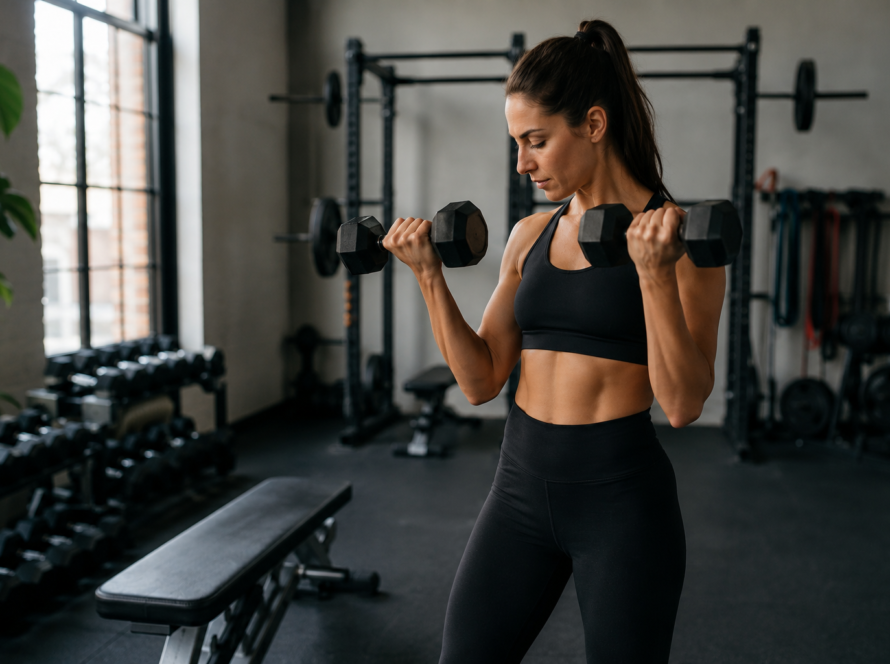
Practically, this points toward resistance training two to three times per week, targeting the major muscle groups, alongside enough daily protein to support muscle maintenance as you age. Strength is trainable at almost any age; multiple cohort studies show older adults who begin resistance training still gain meaningful muscle mass and function.
Diet: less about restriction, more about pattern
The dietary pattern with the most consistent longevity data is not a specific diet brand but a general shape: mostly plants, whole grains, legumes, nuts, and fish, with processed meat and refined sugar kept low. The Adventist Health Study 2, one of the longest-running cohort studies in nutrition science, has repeatedly linked nut consumption and vegetarian-leaning dietary patterns to lower cardiovascular and all-cause mortality. Populations in the world’s longevity hotspots, the so-called Blue Zones such as Okinawa, Sardinia, and Ikaria, eat diets that are roughly 90 to 95% plant-based, according to research summarized by the American Institute for Cancer Research.
Movement that doesn’t feel like exercise
One of the more interesting findings from Blue Zones research, highlighted by Harvard Health, is that the world’s longest-lived populations largely do not follow structured Western workout routines. A 2025 study in the Journal of Population Ageing found Blue Zone centenarians did not hit standard exercise quotas like 150 minutes of moderate activity per week; instead, movement was woven into daily life through gardening, walking to run errands, and manual household tasks. A separate large study of over 600,000 people found that people who did meet current physical activity guidelines had roughly a 20% lower mortality rate than those who did none at all, as reported by Healthline. The lesson is not that structured workouts are wrong, they clearly help, but that environments which make daily movement automatic may matter just as much as a gym membership.
3. Ancient Wisdom, Modern Proof: What Older Civilizations Got Right
A great deal of what gets marketed today as a cutting-edge longevity discovery is, in practice, a rediscovery. Long before epigenetic clocks or wearable rings existed, separate civilizations with no contact with one another arrived at strikingly similar practices: periods without food, deliberate exposure to heat, and eating with restraint. That kind of independent convergence across unrelated cultures is itself a meaningful signal, and in several cases, modern controlled research has now explained the mechanism behind why the practice works.
Fasting: the oldest documented health intervention
Fasting may be the single most universal health practice in recorded history. Hippocrates (c. 460 to 370 BCE), regarded as the father of Western medicine, prescribed abstinence from food to manage fevers and infections, viewing it as a way to restore the body’s balance, according to a historical review published on Grokipedia. The philosopher Pythagoras reportedly required his students to fast before major intellectual work, believing it sharpened the mind, while Plato praised the mental clarity fasting produced, as documented in a historical overview from Marjan Books.
Nearly every major religious tradition independently arrived at structured fasting: Ramadan in Islam, Yom Kippur in Judaism, Lent in Christianity, Ekadashi in Hinduism, and the practice among Buddhist monastics of abstaining from food after midday. Ayurveda, India’s ancient system of medicine, has long recommended a weekly fasting day for both body and mind, per a summary from the British Association for Holistic Medicine and Health Care. None of these traditions had access to cell biology, yet they converged on the same basic protocol that modern researchers now recognize as one of the most reliable triggers of autophagy, the cellular repair process discussed in Section 5.
One caveat worth flagging for accuracy: a widely circulated quote attributing to Hippocrates the line about food and disease does not actually appear in his surviving medical texts and is disputed by historians, as noted by a review on intermittent fasting history. His genuine prescriptions of therapeutic fasting for acute illness, however, are well documented and are consistent with how modern clinicians think about giving the digestive system a rest during infection.
Heat as medicine: from Roman baths to the Finnish sauna
Public thermal bathing appears, again independently, across Roman thermae, Ottoman hammams, Japanese onsen culture, and the Scandinavian sauna tradition. Of these, the Finnish sauna has by far the strongest modern clinical backing, largely because Finland has tracked the habit in large population studies for decades.
The Kuopio Ischemic Heart Disease Risk Factor Study followed more than 2,300 middle-aged Finnish men for over two decades and found that men who used the sauna four to seven times per week had roughly a 50% lower risk of fatal cardiovascular events compared with those who used it once weekly, as reported in a 2026 review of Finnish heat-exposure research. A related analysis of the same cohort found that four to seven weekly sessions were associated with a 47% reduced risk of developing hypertension over a median follow-up of 24.7 years, independent of BMI, smoking, and baseline blood pressure.
The proposed mechanism is fairly well understood: sauna bathing raises heart rate to 120 to 150 beats per minute, comparable to low or moderate-intensity exercise, and repeated exposure improves endothelial function and arterial compliance over time, according to a study in PMC. It is worth noting that not every trial agrees on the acute effects: a randomized controlled trial in adults with existing coronary artery disease found that eight weeks of unsupervised home sauna use did not measurably improve endothelial function or blood pressure, as published in the Journal of Applied Physiology. The strongest evidence, in other words, comes from consistent, long-term, high-frequency use across whole populations rather than from short interventions in people who already have heart disease.
Eating with restraint: hara hachi bu and the case for moderation
The teaching of eating until roughly 80% full, known in Okinawa as hara hachi bu, traces back to Confucian teachings on moderation and has been practiced for centuries before anyone could explain it in terms of insulin or metabolic load. Its modern parallel is calorie moderation research: a 25-year controlled study in primates found that eating roughly 30% fewer calories than normal was associated with a significantly longer lifespan, as reported by Healthline. The practical translation researchers draw from this is not extreme restriction, but eating slowly and stopping before feeling completely full, a habit that predates the science by well over a thousand years.
The thread running through all three traditions, fasting, heat exposure, and portion moderation, is a concept physiologists now call hormesis: a controlled, moderate dose of stress that the body adapts to and becomes more resilient from over time. Ancient cultures arrived at the practical application of hormesis long before they had a word for it. Modern research has mostly caught up to explain why it works rather than to discover that it does.
Longevity isn’t about adding years to your life. It’s about compounding small, directional changes, eating somewhat better, moving a little more, connecting more often, over a very long time. (Blue Zones research summary, Rochester Regional Health, 2026)
4. The Habits That Add Healthy Years
Dan Buettner’s Blue Zones research, a partnership between National Geographic and the National Institute on Aging studying the handful of regions in the world with unusually high rates of people living past 100, distilled the shared behaviors of these populations into a framework researchers now call the Power 9. It remains one of the most cited frameworks in longevity science, and a February 2026 methodological review reaffirmed that the underlying demographic data behind Blue Zones is sound, addressing prior criticism about age-verification accuracy.
Table 2. The Power 9, habits shared across the world’s longevity hotspots.
| Habit | What it looks like in practice |
|---|---|
| Natural movement | Daily life built around walking, gardening, and manual tasks rather than scheduled workouts |
| Purpose | A clear reason to get up each morning, whether work, caregiving, or a project |
| Stress downshifting | Daily rituals such as prayer, napping, a happy hour, or reflection that reliably lower stress |
| 80% rule | Stopping meals at roughly 80% fullness (hara hachi bu) |
| Plant-forward diet | Meals centered on vegetables, legumes, and whole grains; meat as a small side |
| Moderate alcohol, where applicable | Wine in moderation with food and friends, not a requirement |
| Belonging | Membership in a faith-based or values-based community |
| Loved ones first | Prioritizing family, including keeping aging parents and grandparents close |
| The right tribe | Close friend groups that reinforce healthy behaviors over decades |
Social connection deserves particular attention, because it is easy to underrate next to diet and exercise. Longitudinal cohort research consistently finds that strong relationships and community belonging predict longevity independent of biological risk factors. The mechanism appears to run through lower chronic stress, better mental health, and more consistent healthy behaviors reinforced by a social group, a pattern described in a 2024 review on the exposome and healthy aging.
5. Recovery and Cellular Health: Why Rest Isn’t Passive
It’s tempting to think of recovery as simply the absence of activity, the gap between workouts. Cellular biology disagrees. Sleep and rest periods are when the body runs autophagy, a process discovered by Yoshinori Ohsumi (Nobel Prize, 2016) in which cells break down and recycle damaged proteins and organelles. Basal autophagy runs continuously to maintain daily cellular housekeeping, while induced autophagy ramps up in response to specific triggers like fasting, exercise, and, critically, sleep, according to a 2025 review in the Journal of Molecular Biology.
The sleep-autophagy connection
Research published in the Journal of Molecular Biology (2025) describes an intricate, bidirectional relationship between sleep and autophagy: autophagy appears necessary for normal sleep regulation, and sleep in turn creates the physiological window in which autophagy operates most efficiently. A related review notes that sleep disruption increases reactive oxygen species and allows toxic protein aggregates, such as those implicated in Alzheimer’s disease, to accumulate, because the clearance pathways that would normally remove them are undermined, as detailed by Scientific Archives. In other words, chronic poor sleep is not simply tiring, it is a measurable interruption of the body’s cellular repair schedule.
What supports cellular recovery
- Consistent sleep timing: 7 to 9 hours nightly, with a stable circadian rhythm, is repeatedly cited as one of the strongest levers for autophagy and general cellular repair.
- Time-restricted eating windows: intermittent fasting is one of the most reliable triggers for induced autophagy in human studies, giving cells an extended window without incoming nutrients to prioritize cleanup over growth.
- Exercise, especially higher-intensity training: activates autophagy predominantly in muscle and liver tissue, complementing the whole-body effect of fasting.
- Polyphenol-rich foods: compounds in green tea, turmeric, berries, and leafy greens are associated with modest support for cellular cleansing pathways, though human trial evidence for isolated supplement forms remains limited compared with whole-food intake.
- Stress management: chronic stress hormones interfere with the same regulatory pathways, including mTOR signaling, that govern autophagy, making stress reduction a legitimate recovery tool and not only a mental health one.
It is worth noting where the science is still developing. A 2025 review in Frontiers in Molecular Biosciences points out that most human autophagy research still relies on indirect biomarkers rather than direct measurement, and that longitudinal studies linking day-to-day autophagy activity to long-term health outcomes remain scarce. The mechanistic story is well established in animal models; the precise human dose-response, exactly how many hours of sleep or what length of fasting window maximizes benefit, is still being mapped.
6. Marketing vs. Medicine: Sorting Longevity Hype from Longevity Evidence
Longevity has become one of the most heavily marketed categories in wellness, and popularity does not reliably track scientific support. Some interventions in this space have decades of hard, population-level mortality data behind them. Others have real, promising cell biology in a petri dish or a mouse, and comparatively little proof that the same effect shows up in a healthy human over decades. Both types often get described with identical marketing language, which makes it genuinely hard for a reader to tell them apart without checking the underlying research.
NAD+ precursors, NMN, and resveratrol: strong theory, thin human data
NAD+ is a molecule central to cellular energy production and DNA repair, and it does decline measurably with age. Supplemental precursors such as NMN (nicotinamide mononucleotide) and NR (nicotinamide riboside) can raise blood NAD+ levels safely within weeks, but according to a 2026 evidence review published by The Conversation, recent systematic reviews have not found convincing evidence that NMN or NR preserve muscle mass, strength, cognition, or biological age in older adults, and most human trials last only weeks to months, far too short to capture an aging-related outcome. Reporting by NPR reached a similar conclusion, quoting metabolism researcher Samuel Klein describing the human data as “pretty iffy right now” on whether these supplements provide significant benefit, despite consistently positive results in aged mice.
Resveratrol follows a similar pattern: strong laboratory data on sirtuin activation, poor natural bioavailability that requires pairing with fat to absorb meaningfully, and mouse lifespan studies that have largely failed to replicate the dramatic early results, according to reviews summarizing longevity researcher David Sinclair’s own supplement protocol. None of this means these compounds do nothing; it means the confident marketing claims currently outrun what has actually been demonstrated in healthy humans over a meaningful timeframe.
Cold plunges: real physiology, unproven longevity claim
Cold-water immersion has exploded in popularity, and it does trigger measurable physiological responses: a 2025 systematic review and meta-analysis in PLOS One, covering 11 studies and 3,177 people, found modest improvements in stress levels, sleep, and quality of life. What the same review does not show, and what no human study currently shows, is that cold plunging extends lifespan, a distinction confirmed directly by a summary from Harvard Health. The same PLOS review noted that ice bath product sales rose from under 1,000 units to more than 90,000 units in a single year on one online marketplace, a gap between commercial enthusiasm and the actual size of the evidence base that is worth keeping in mind before investing in expensive equipment.
A side-by-side comparison
Table 3. Longevity practices ranked by how strong the current human evidence actually is.
| Practice | Evidence status | What is actually known |
|---|---|---|
| Cardiorespiratory & strength training | Very strong | Decades of large cohort data directly linking VO2 max and grip strength to all-cause mortality |
| Finnish sauna, regular use | Strong | Two-decade cohort study with hard cardiovascular mortality endpoints |
| Plant-forward diet pattern | Strong | Multiple long-running cohorts (Adventist Health Study 2, Blue Zones data) |
| Time-restricted eating / fasting | Moderate, mechanistic | Reliable autophagy trigger in humans; long-term lifespan data still limited |
| Cold-water immersion | Preliminary | Modest wellbeing benefits shown; no human lifespan evidence yet |
| NMN / NR (NAD+ precursors) | Preliminary, mixed | Safely raises blood NAD+; muscle, cognition, and aging outcomes unconfirmed in humans |
| Resveratrol supplements | Weak in humans | Strong lab data; mouse lifespan studies largely did not replicate; poor bioavailability |
None of this is an argument against curiosity or experimentation. It is an argument for reading the fine print before treating a supplement stack the same way one would treat a habit with twenty years of mortality data attached to it.
7. Where Nutrition Fits: Eating for Cellular Health, Not Just Calories
None of the research above points to a single miracle food. What it consistently points to is a pattern: more plants, more fibre, more polyphenols, adequate protein to preserve muscle, and eating in a way that gives the body genuine rest between meals rather than constant grazing. That is also, not coincidentally, the thinking behind functional nutrition concepts built around recovery and daily wellbeing, meals designed to support training, energy, and cellular repair rather than simply filling a calorie quota.
Practically, a longevity-minded plate tends to include a source of plant or lean protein, a generous portion of vegetables, a whole grain or legume, and a source of healthy fat, the same structure nutritionists have converged on independently of any single trend.
The Bottom Line
Longevity science has moved from folklore to measurement, and in doing so it has vindicated a surprising amount of what older civilizations already practiced. We can now estimate biological age, track the cellular mechanisms behind recovery, and rank lifestyle interventions by effect size rather than anecdote. The findings, refreshingly, are not exotic: build cardiorespiratory fitness, keep your muscles strong, eat mostly plants, protect your sleep, give the body real windows of rest through fasting or heat exposure the way people did long before the word longevity was ever marketed, and stay closely connected to other people. Be more skeptical of what comes in a capsule with a bold claim on the label than of what has been quietly practiced, tested, and repeated for generations.
Sources & Further Reading
- eBioMedicine, Epigenetic clocks: advancing biological age measures towards meaningful clinical use (2026)
- Ageing Research Reviews, Systematic review and meta-analysis of epigenetic age acceleration (ScienceDirect)
- Frontiers in Molecular Biosciences, DNA methylation and prediction of biological age (2025)
- Drug Discovery World, Turning back the epigenetic clock: Can we reverse ageing? (2025)
- Harvard Health, Living in the Blue Zone
- American Institute for Cancer Research, Can the Blue Zone Diet Help You Live Longer?
- Rochester Regional Health, The Blue Zone Blueprint (2026)
- Healthline, Why People in Blue Zones Live Longer Than the Rest of the World
- PMC, The Power of Environment: Exposome’s Role in Healthy Aging, Blue Zones and Cilento (2024)
- Trusted Senior Specialists, Track These 3 Big Metrics to Live Better, Longer (2026)
- Dr Mike’s Fitness, VO2max, Grip Strength & Muscle Mass: Top 3 Fitness Predictors of Longevity (2026)
- Weizmann Institute of Science, Systems Aging Lecture 7: Exercise and Longevity
- Journal of Molecular Biology (via ScienceDirect), Links Between Autophagy and Healthy Aging (2025)
- PubMed, Rest, Repair, Repeat: The Complex Relationship of Autophagy and Sleep (2025)
- Scientific Archives, Impact of Sleep on Autophagy and Neurodegenerative Disease
- Grokipedia, Fasting: history and traditions
- Marjan Books, History of Fasting: Why the Greatest Minds Practiced It (2026)
- British Association for Holistic Medicine and Health Care, Fasting: a modern take on an ancient practice
- bn-nutrition.ch, Intermittent Fasting: The Complete Guide for Health and Well-being
- Superpower, What Finnish Research Tells Us About Heat Exposure and Lifespan (2026)
- PMC, Sauna bathing is associated with reduced cardiovascular mortality and improves risk prediction
- Journal of Applied Physiology, Finnish sauna bathing and vascular health of adults with coronary artery disease: a randomized controlled trial
- The Conversation, Can supplements containing NMN, NAD+ and resveratrol really slow ageing? (2026)
- NPR, Marketers say NAD+ pills and infusions can boost longevity. What’s the evidence? (2026)
- PLOS One, Effects of cold-water immersion on health and wellbeing: A systematic review and meta-analysis (2025)
- Harvard Health, Research highlights health benefits from cold-water immersions
This article is for general informational purposes and does not constitute medical advice. Speak with a qualified healthcare provider before making significant changes to diet, exercise, fasting, heat or cold exposure, or supplementation, particularly if you manage a chronic condition.